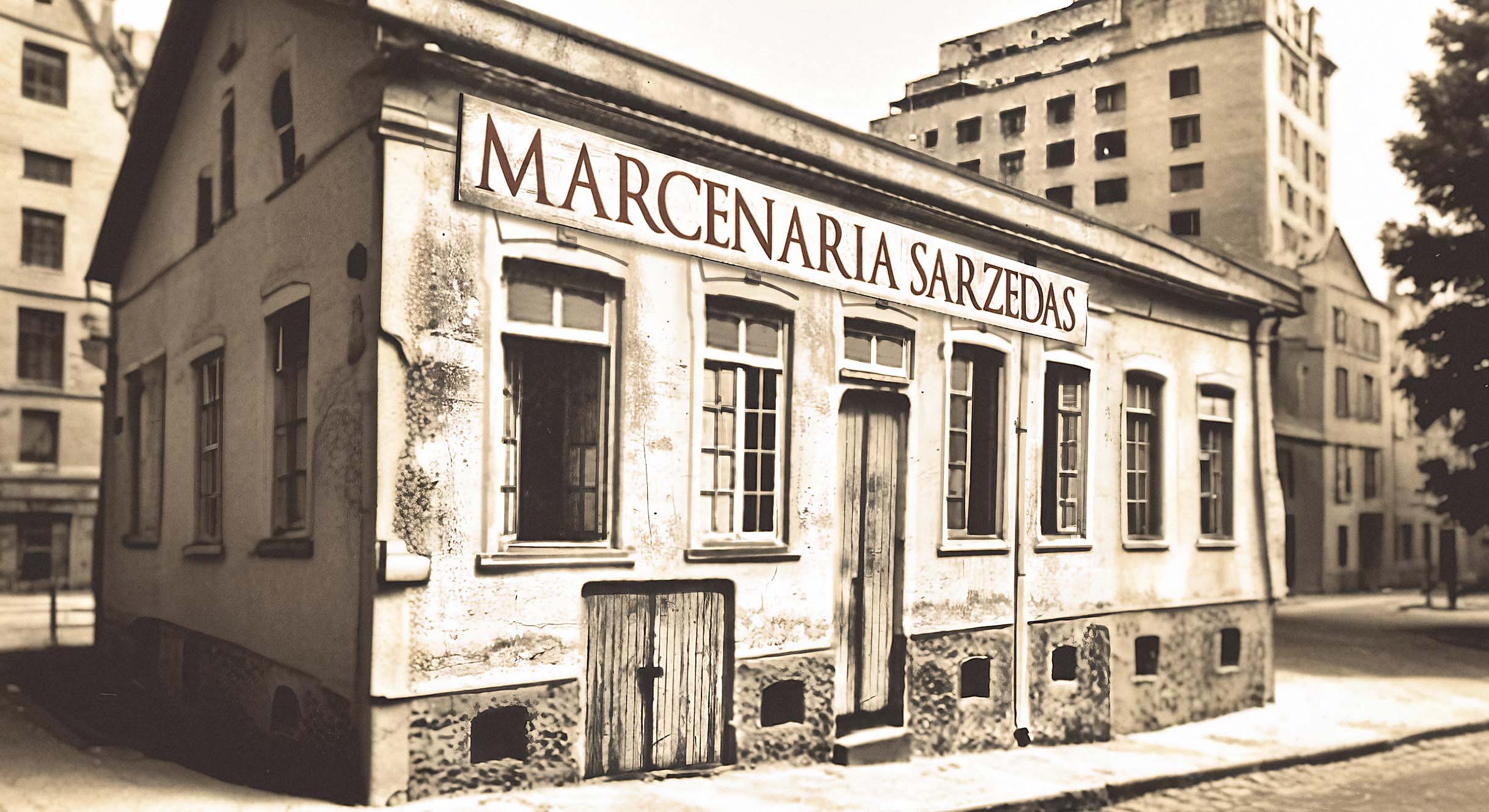
Since 1950, when we began as Marcenaria Sarzedas in a small shop in downtown São Paulo, we have held the conviction that pioneering spirit, technology, and tradition would form the foundation of Celmarʼs history.
And so we continue to anticipate needs by bringing dreams to life in environments filled with stories, through custom-made furniture that revisits atelier techniques combined with functionality and innovation.
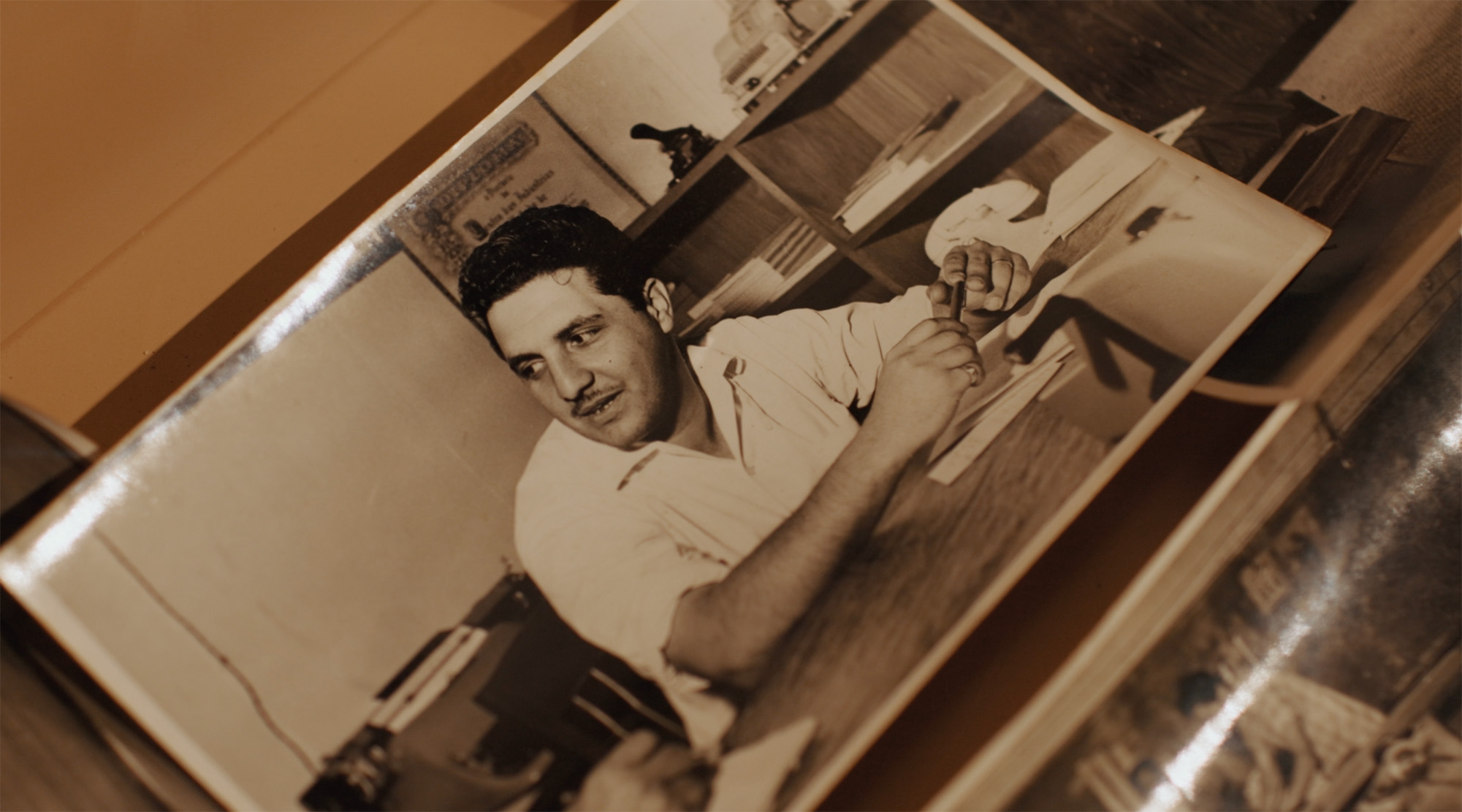
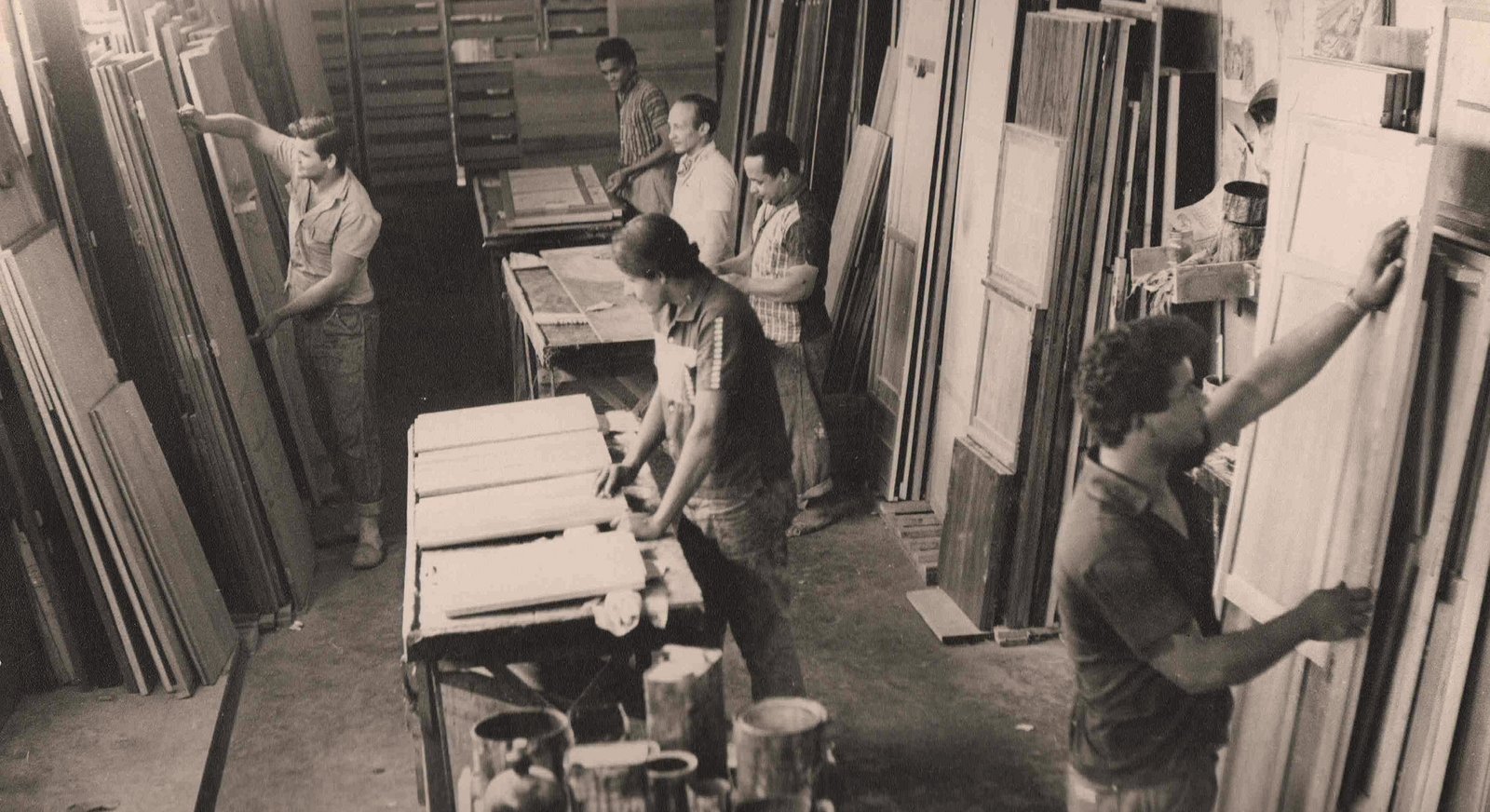
We were pioneers in concepts that were unprecedented at the time, creating built-in wardrobes and drawer beds—solutions that became standards in the Brazilian market.
That same drive has brought us to where we are today: an operation spanning over 70,000 m² in Salto de Pirapora, São Paulo, equipped with cutting-edge technology and capable of producing around 30 tons daily—without losing the artisanal essence that defines us.
The company
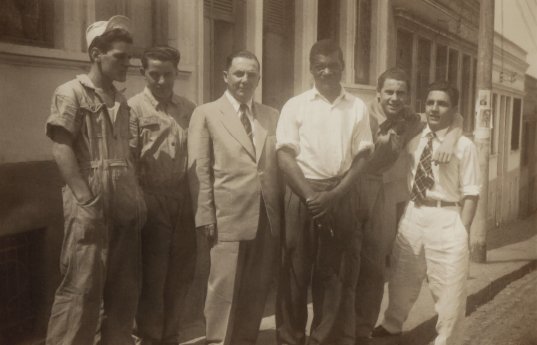
Our story began with Marcenaria Sarzedas, set up in a small basement in downtown São Paulo, with only 60m².
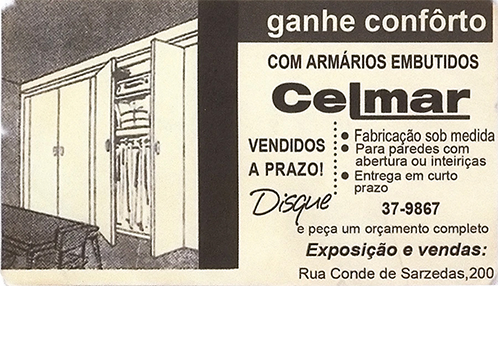
Casa & Jardim magazine, one of the leading publications in the segment, featured Celmarʼs first advertisement in its inaugural issue.
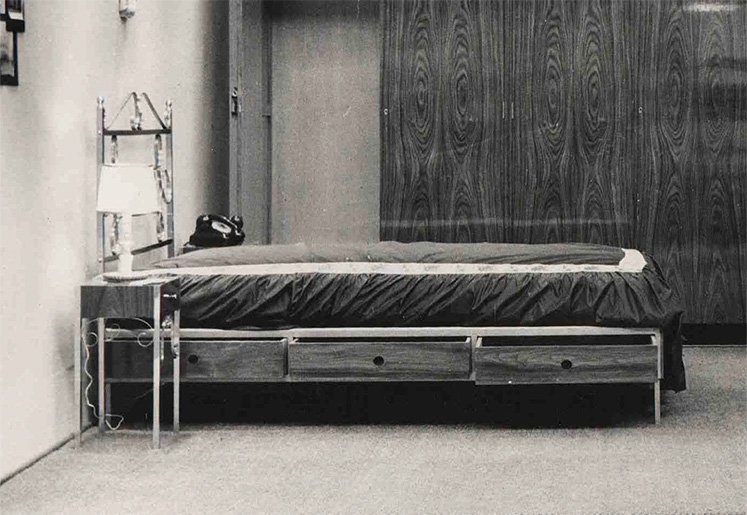
Like the built-in wardrobe, drawer beds were developed out of necessity by its creator, as a way to optimize bedroom space by storing clothes and objects in drawers under the bed.
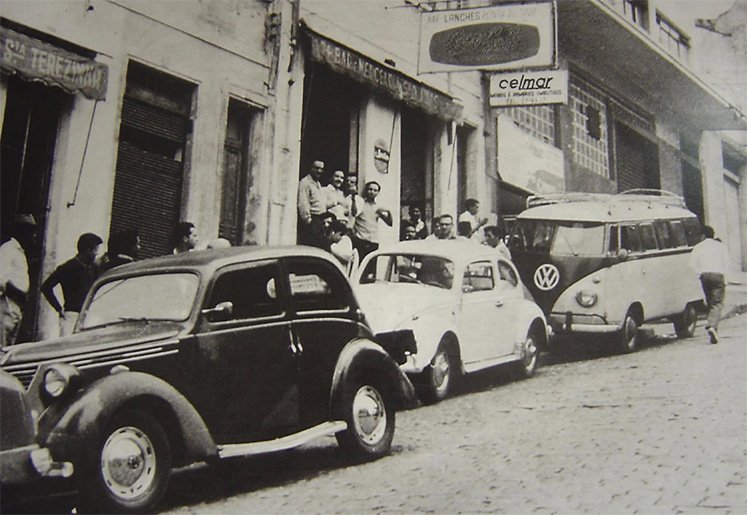
Seeking expansion, Celmar moved within downtown São Paulo to a 700m² space.
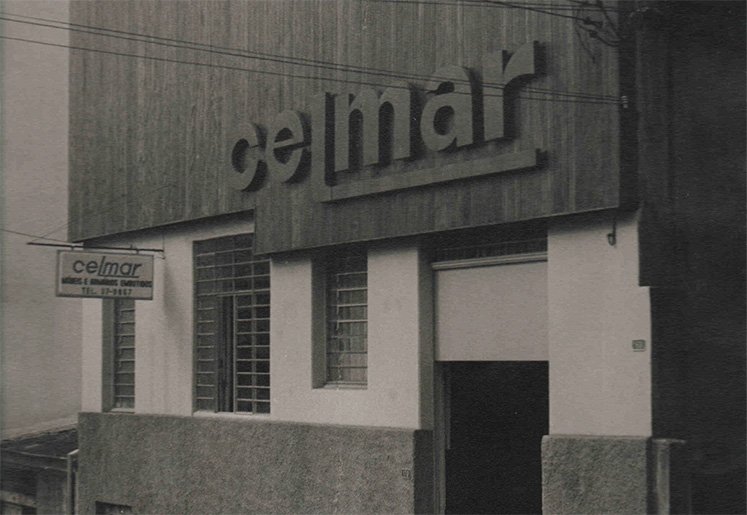
Rapid growth required another expansion, and Celmar moved to the Aclimação district, now occupying 2,800 m².
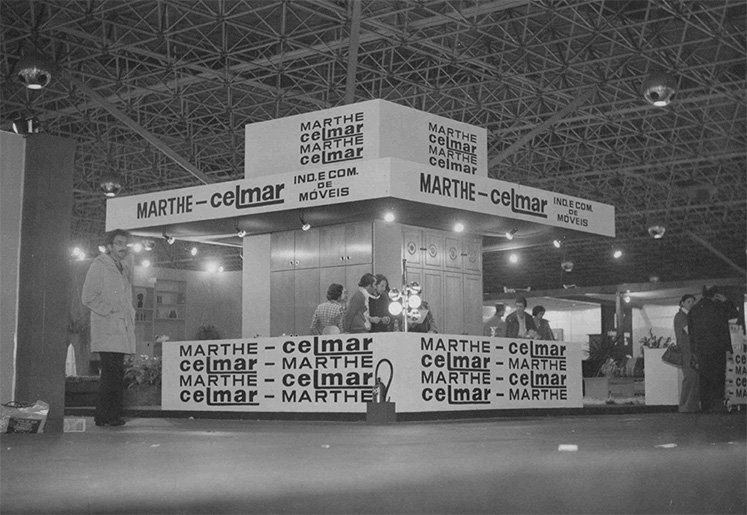
To promote its product line, Celmar began participating in the countryʼs first custom furniture trade fairs.
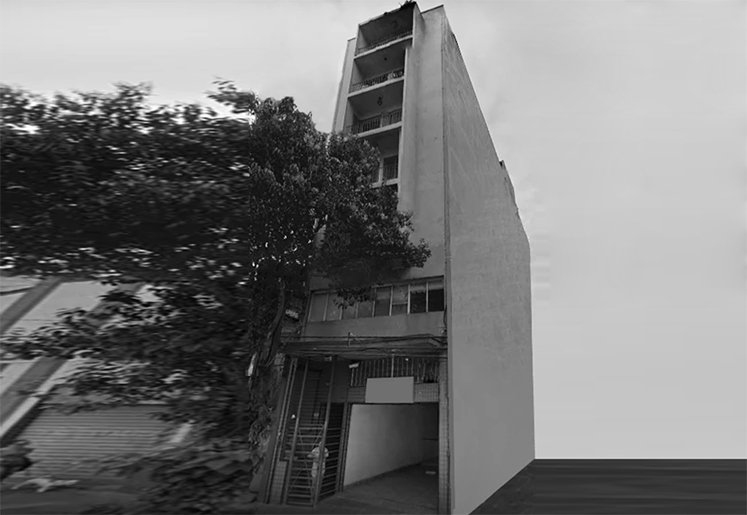
Foundation of Celmar Predial Construction and Administration.
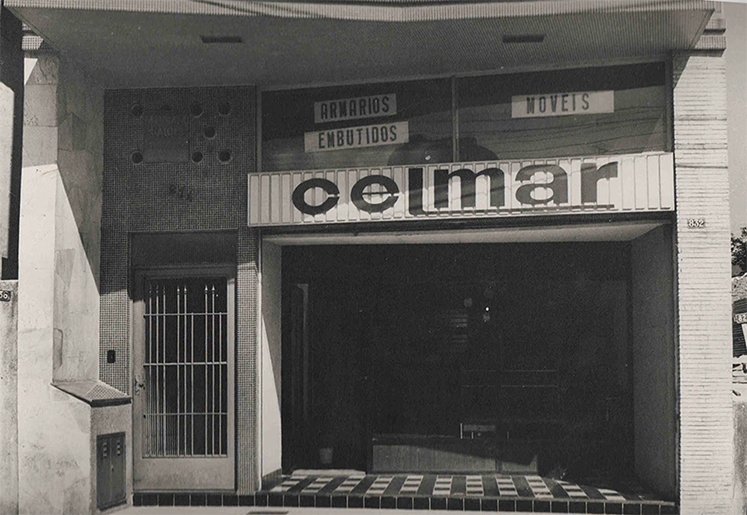
By 1965, the brand reached five company-owned stores in São Paulo.
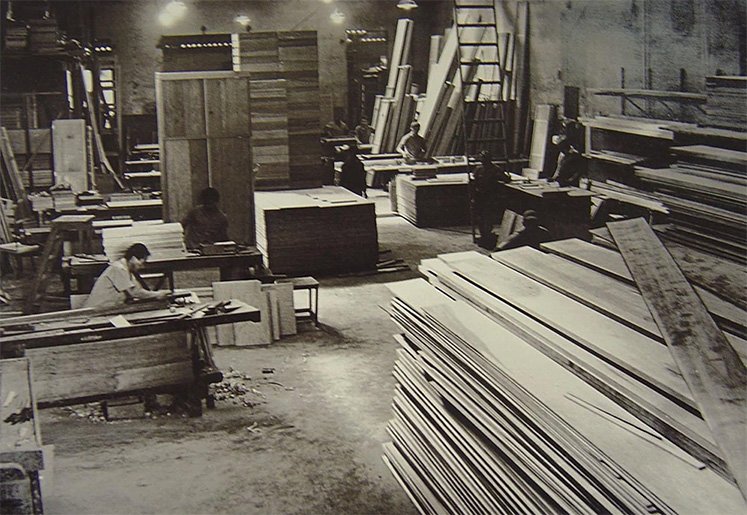
At this new location, Celmarʼs first industrial complex was established in Taboão da Serra, covering 7,200 m².
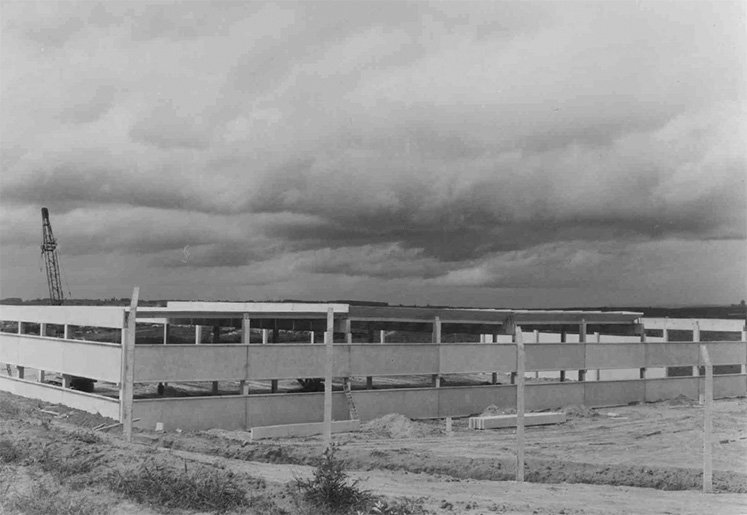
To further expand production capacity, the company moved to Salto de Pirapora, São Paulo. The new facility had 30,000m².
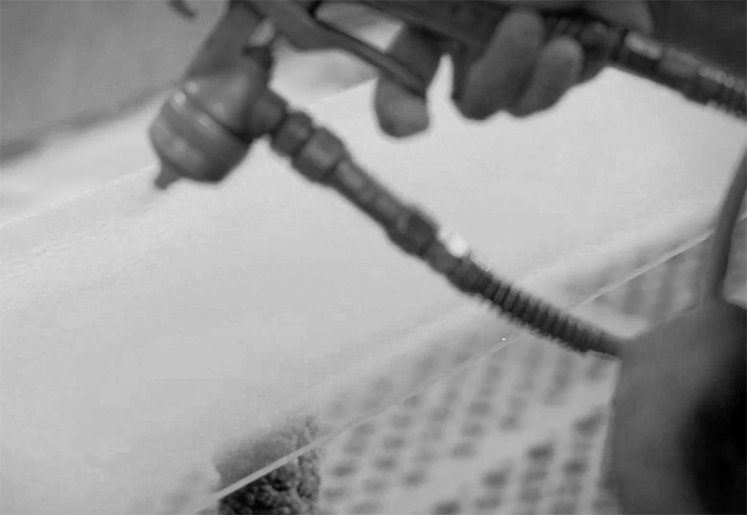
Celmar introduced Italyʼs tintometric system to Brazil, offering over 720 color options and endless finishing possibilities.
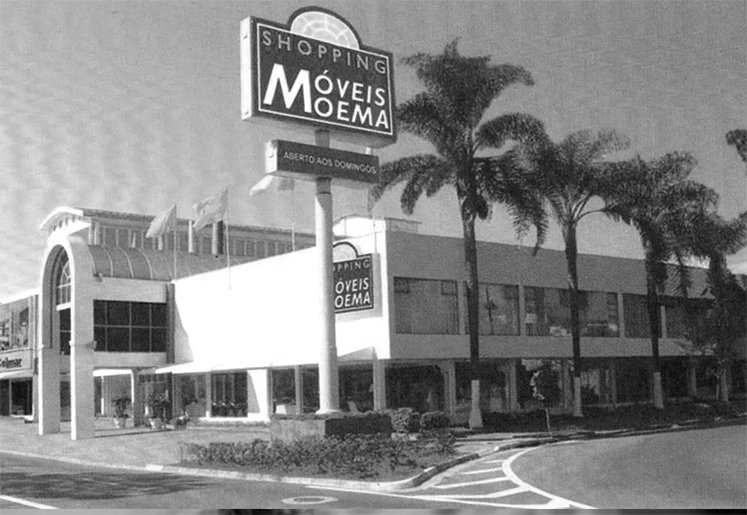
Foundation of Shopping Móveis Moema, a landmark destination for architecture, furniture, and décor.
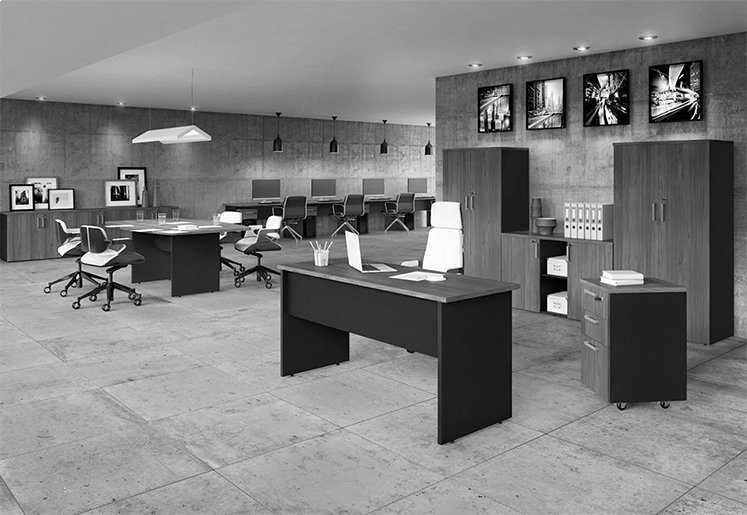
The group launched Lettera, focused on corporate projects.
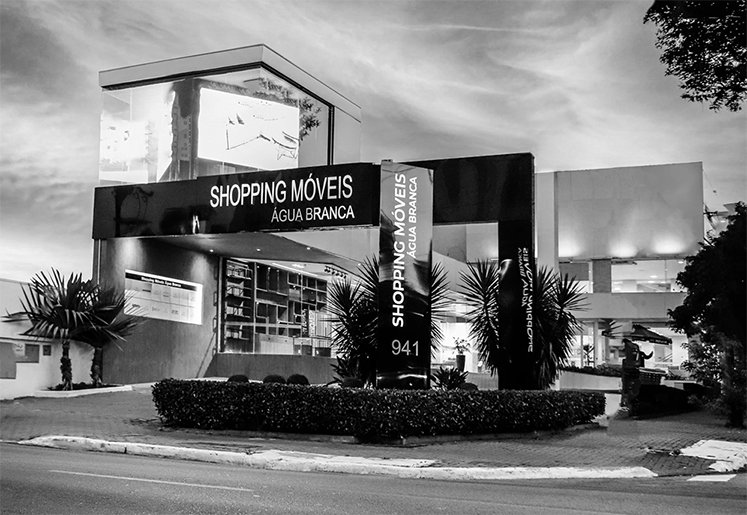
Expansion continued with a new retail hub in Água Branca, São Paulo.
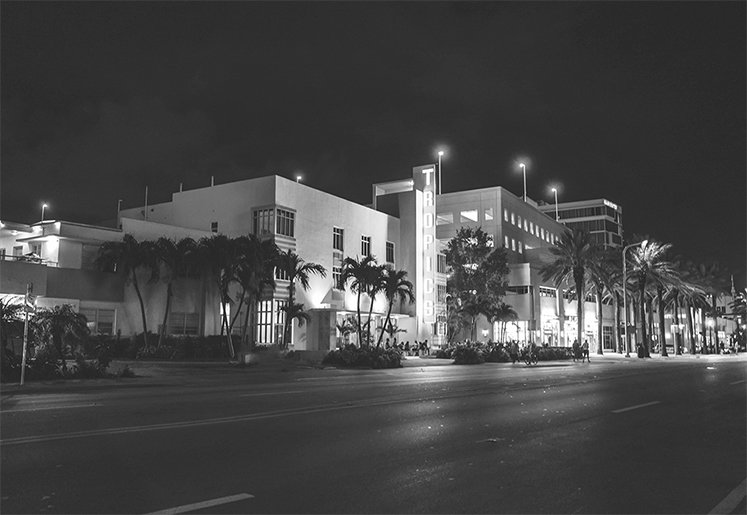
Celmar became international, exporting to North America, including cities like Miami and Orlando.
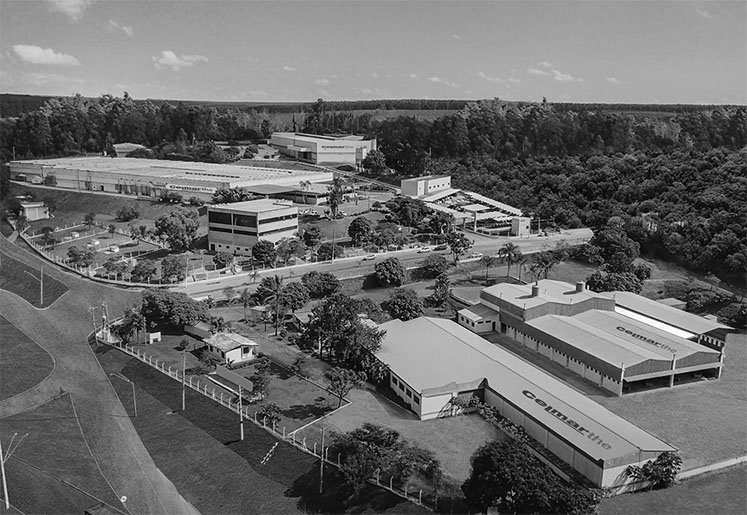
The industrial park expanded to its current 70,000 m².


Every stage of our production is guided by a genuine commitment to environmental responsibility—from certified raw materials to processes that reduce waste and reuse resources.
Our raw materials are Carbon Free, meaning our furniture is produced consciously, with carbon emissions offset and neutralized.
More than a label, it is a choice: to create with elegance, technology, and respect for the environment.
