
Exploring muxarabi in interior design
With roots in Islamic architecture, the muxarabi panel combines function and aesthetics through its intricate perforated patterns, allowing light and airflow while creating dynamic shadow effects.
A CULTURAL LEGACY
Originally used for privacy in Middle Eastern and North African architecture, muxarabi has evolved into a refined design element in contemporary interiors.
 IMAGES | CELMAR
Contemporary applications
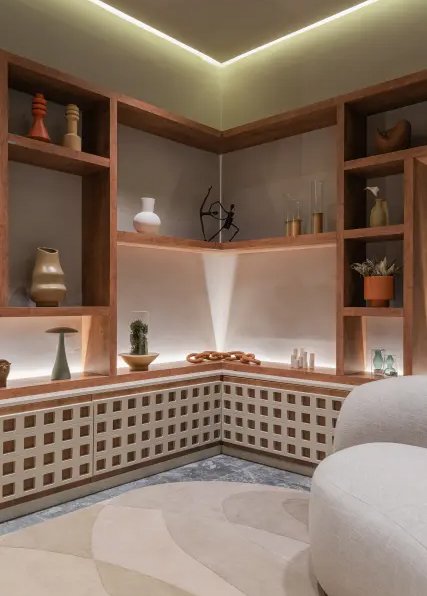
Elegant partitions
Subtle space division while maintaining visual continuity.
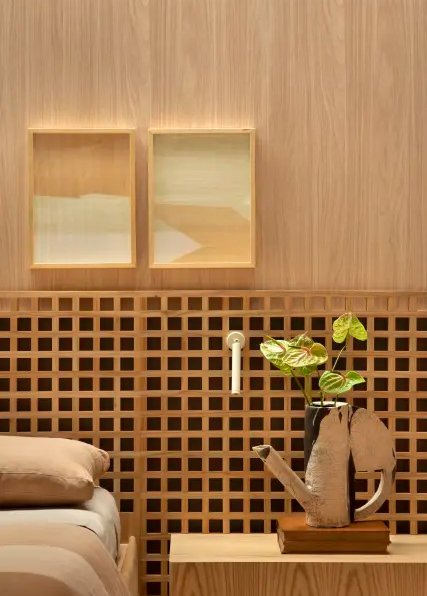
Statement headboards
Creating depth and texture in bedroom design.
Doors and windows
Soft light diffusion combined with decorative appeal.
Wall panels
Dynamic surfaces that interact with light throughout the day.
Materials and customization
Muxarabi panels can be crafted in wood, metal, or other materials, allowing full customization across styles—from rustic to contemporary.
CONCLUSION
With its balance of heritage and innovation, muxarabi introduces texture, light, and cultural depth into modern interiors—offering a timeless design solution that connects past and present.